Featured
Official State Debt Assistance Programs for 2026
Table of Contents
Even if you aren't worried about increasing rates, the longer you carry debt, the costlier it is, the more frustrating it can be, and the more difficult it is to achieve other goals. Beginning a new year owing cash can take a mental toll. So no matter your exact circumstances, it deserves getting out of some financial obligation in 2026 by pursuing choices like charge card debt relief or payback using the financial obligation snowball or debt avalanche methods.
That can help you comprehend what you owe and how much you can truly pay for to pay toward ending up being debt-free. Look at your bank and credit card statements to track your costs. Using a budgeting app may be valuable here to see precisely how much of your money is going to basics like groceries and costs, and how much is going to non-essentials like consuming out or motion picture tickets.
Research study alters to legal rules: For instance, in 2025 through 2028, vehicle loan interest will be tax-deductible for eligible individuals as an outcome of provisions in the One Big Beautiful Expense Act. Utilizing the info you collect, determine the following: Overall exceptional debtBalance of each financial obligation, and the rates of interest you are being chargedWhether interest for each is tax-deductible (bearing in mind that the rules can alter gradually, so inspecting once again in future is smart)Due date for regular monthly paymentsFunds you might use towards debt reward Getting organized provides you a clear photo of where you stand, what amount of time for financial obligation benefit is realistic, and what financial obligation relief choices deserve pursuing.
Accessing Community-Based Financial Help Partners in 2026
The 2 main approaches are the financial obligation snowball and the financial obligation avalanche. Involves lining up your financial obligations from tiniest to biggest, and tackling the smallest financial obligation. You continue this way with all your financial obligations up until you've paid everything off.
For example, say you have $200 of discretionary earnings in a month, and $10,000 of charge card financial obligation across 5 credit cards. Pay the minimum payments on all five credit cards, but designate as much of that $200 as you can to paying off the charge card financial obligation with the smallest balance.
A huge advantage of the financial obligation snowball approach is that you pay off your first financial obligation quickly, which might assist motivate you to stay on track. Andr Small, a licensed financial coordinator based in Houston, Texas and founder of A Small Financial investment, says a lot of his low-income clients choose the snowball method, while individuals with more discretionary earnings may be inclined to use the debt avalanche.
As with the snowball, make at least the minimum payment for all of your cards, with additional money going to the card with the highest APR (yearly percentage rate). That very first financial obligation you pay off may not have the tiniest balanceit might even have the highestbut this method conserves you cash in interest over time vs.
Protect Your Rights Against Unfair Collection Tactics
That's because you since off the costliest debt. However, you might not score fast wins with this method, so it might not be the best one if you believe you'll have a hard time to remain inspired. In some cases, just making additional payments is insufficient to assist you become debt-free in a sensible quantity of time.
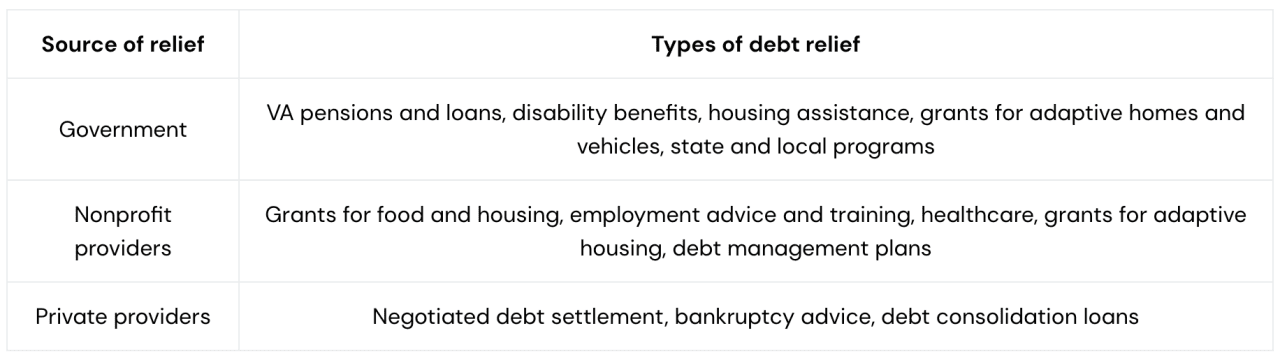
MethodCostTime to FinishCredit ImpactHow it WorksBest ForDebt management planTypically under $50/month3 -5 yearsYesA nonprofit credit therapy agency negotiates a repayment prepare for all of your unsecured debtFull financial obligation repayment with expert finance guidanceDebt ConsolidationVariesVariesYesYou take a new loan to repay several existing debts. Decreasing your rate (if you receive more affordable financing)Balance Transfer3-5%VariesYesYou transfer existing credit card financial obligation onto a brand-new card with 0% balance transfer deal.
A lot of unsecured financial obligations are eligible to be forgiven Chapter 13 involves a 3- to five-year payment strategy. Borrowers who need legal defense from creditorsEach option has advantages and disadvantages. Here's a little more detail about how each works: Financial obligation combination: If you qualify for a debt consolidation loan, this can be a great choice.
This streamlines things, because you have just a single payment. Depending on whether you make your loan term longer or much shorter, it might likewise lower overall borrowing costs, as long as you aren't paying for a lot longer than you were on the loans you consolidated. Financial obligation settlement: You or a debt relief business work out with lenders and get them to accept a lump amount payment or payment plan for less than the full quantity you owe.
How Community Debt Groups Offer Relief
Credit counseling: You work with a licensed counselor to review your finances and figure out just how much you can pay towards financial obligation. Credit counselors provide monetary therapy when you enlist in a debt management plan. That's a structured payment program in which you make one month-to-month swelling amount payment, and that money is dispersed to creditors by the debt management company based upon terms they have actually worked out.
Generally, there is a fee of around 3% to 4% to do the balance transfer. You typically have only a brief time at the 0% rate, so it's simple to fail to end up being debt-free using this method. After the advertising period, the rates go up to the much higher rates typical of credit cards.
With Chapter 13 personal bankruptcy, you participate in a 3- to five-year repayment arrangement and need to fulfill the repayment plan before any financial obligation is forgiven. Liberty Debt Relief can negotiate debt settlement in your place if you choose this is the right technique. Typically, you make a month-to-month deposit into a dedicated account (that you own and control).
When the financial institution has accepted a settlement and you approve it, payment is made from your dedicated account. When the terms of the agreement are pleased, the debt lags you and you do not need to fret about it once again. Debt relief programs make financial obligation benefit much easier, but you need to qualify to participate.

Why Nonprofit Credit Counseling Helps
Unsecured financial obligation: Lenders don't typically settle guaranteed financial obligation (financial obligation for which there is collateral ensuring the loan). As a result, your debt must be unsecured to take part in many professional debt relief programs. Proof of monetary hardship: You need to be dealing with obstacles paying your bills, and may require proof of financial challenge, such as evidence of a task loss or income reduction.
Debt settlement can't eliminate your financial obligations completely. You can reach out to get a complimentary financial obligation examination to find out if you qualify for the Liberty Debt Relief program.

Latest Posts

Top Government Debt Relief Solutions for 2026
Procedures for Filing for Chapter 7 Bankruptcy in 2026
Coping With Difficult Debt Collectors in 2026